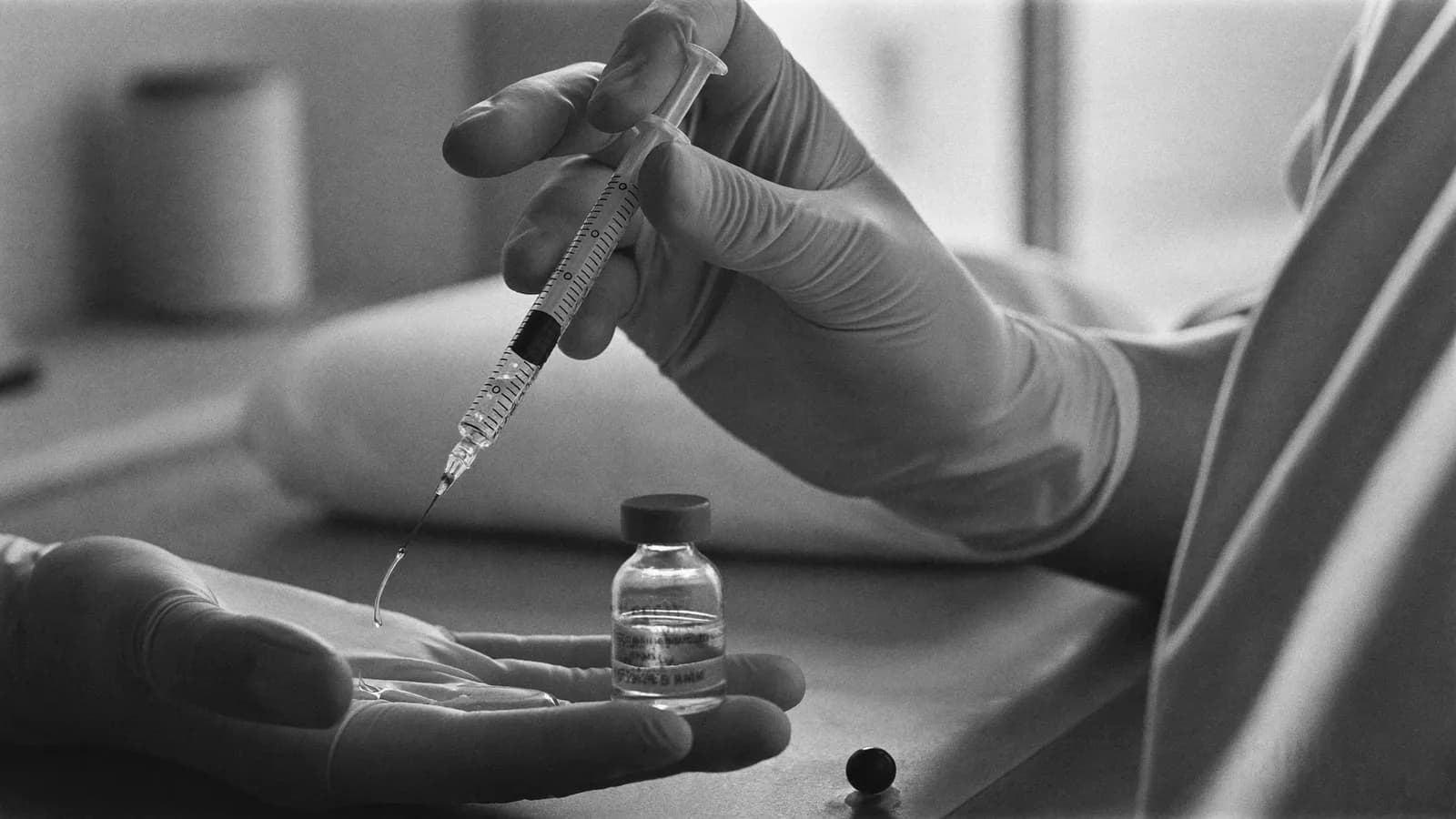
What 'doctor-supervised' weight management actually involves
The phrase appears everywhere. This is what it means in a programme built around testing, prescribing where appropriate, and follow-up for the length of treatment.

Why testing comes before treatment
Weight is an outcome, not a diagnosis. Thyroid function, insulin resistance, iron and vitamin D levels, sex hormones and liver health all affect how a body stores and spends energy, and several of them are treatable in their own right. A programme that starts by prescribing, without looking, can miss the actual problem or treat someone for whom the medicine is unsafe.
The first appointment
- Full medical history, including previous attempts, medication and family history
- Height, weight, BMI and waist measurement
- Blood pressure
- A frank discussion of goals and of what is realistic over 12 to 16 weeks
The blood panel
A typical baseline includes a full blood count, fasting glucose and HbA1c, fasting insulin, a lipid profile, kidney and liver function, uric acid, thyroid function with antibodies, vitamin D, B12, folate, ferritin and, where indicated, a hormonal assessment. Ultrasound of the liver or thyroid is added when the picture calls for it.
Prescribing, individually
Where it is clinically appropriate, the doctor may prescribe medication as part of the plan. Which medicine, the starting dose and how quickly it is increased are decided for the individual, after the results are in and contraindications have been excluded. Public marketing of prescription medicines is restricted in Malta, so we discuss specific options in consultation rather than online.
Follow-up is the programme
What separates supervision from a prescription is what happens next:
- Regular reviews during dose changes
- Weight, waist and blood-pressure tracking
- Monitoring for side effects and tolerance
- Nutrition, hydration and protein guidance so that weight lost is fat rather than muscle
- Attention to skin and facial volume, which can change quickly with rapid loss and can be planned for
- Repeat blood tests when clinically needed
- A maintenance plan at the end, because the end of treatment is the point most programmes fail
Who it is for
Adults with a BMI in the range where medical treatment is indicated, or with weight-related conditions, who want a structured, monitored approach rather than another diet. It is not a cosmetic service and it is not suitable for everyone; the assessment decides.